
New parking system Brussels Airport successfully developed
29 August 2018
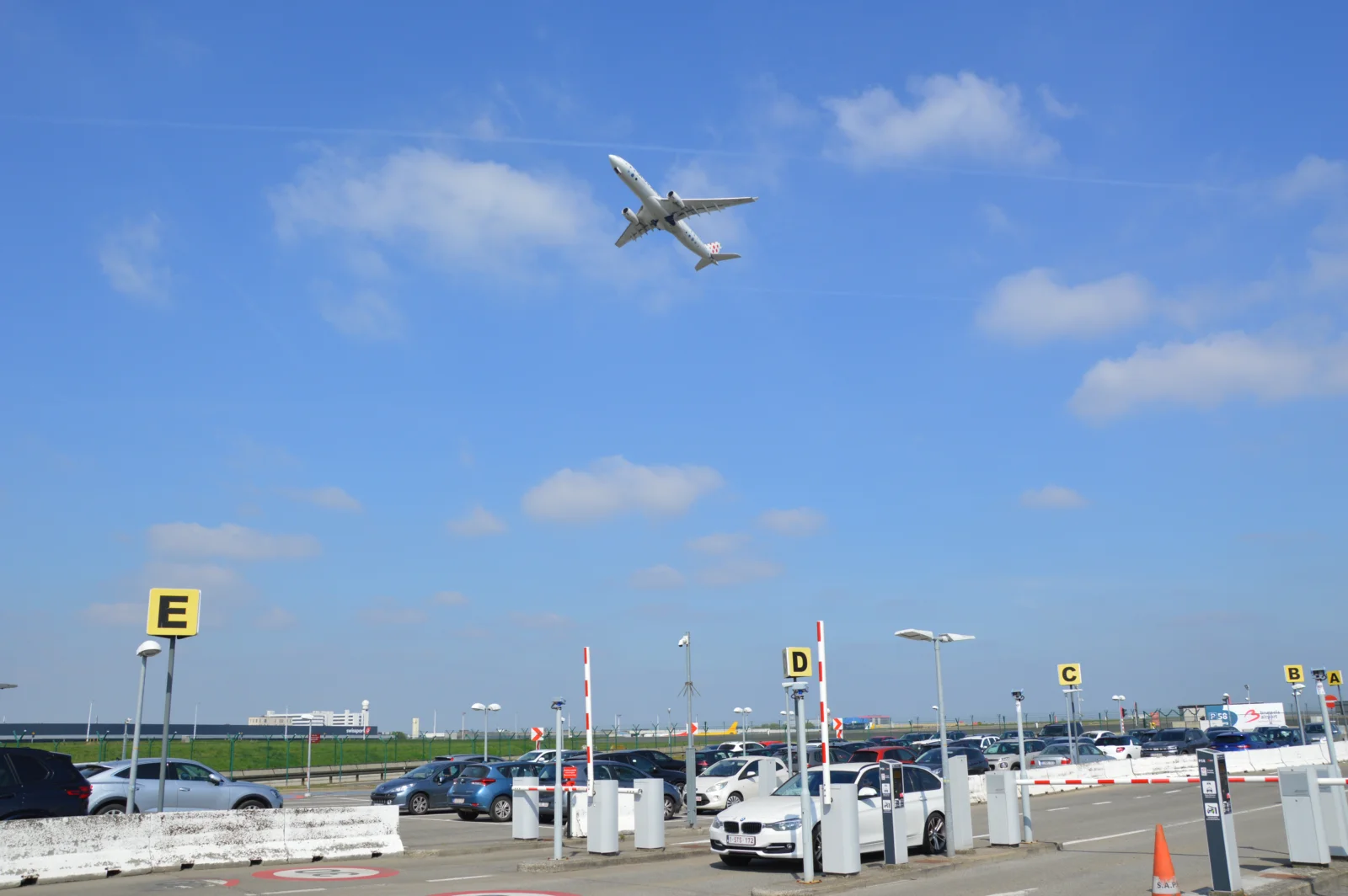
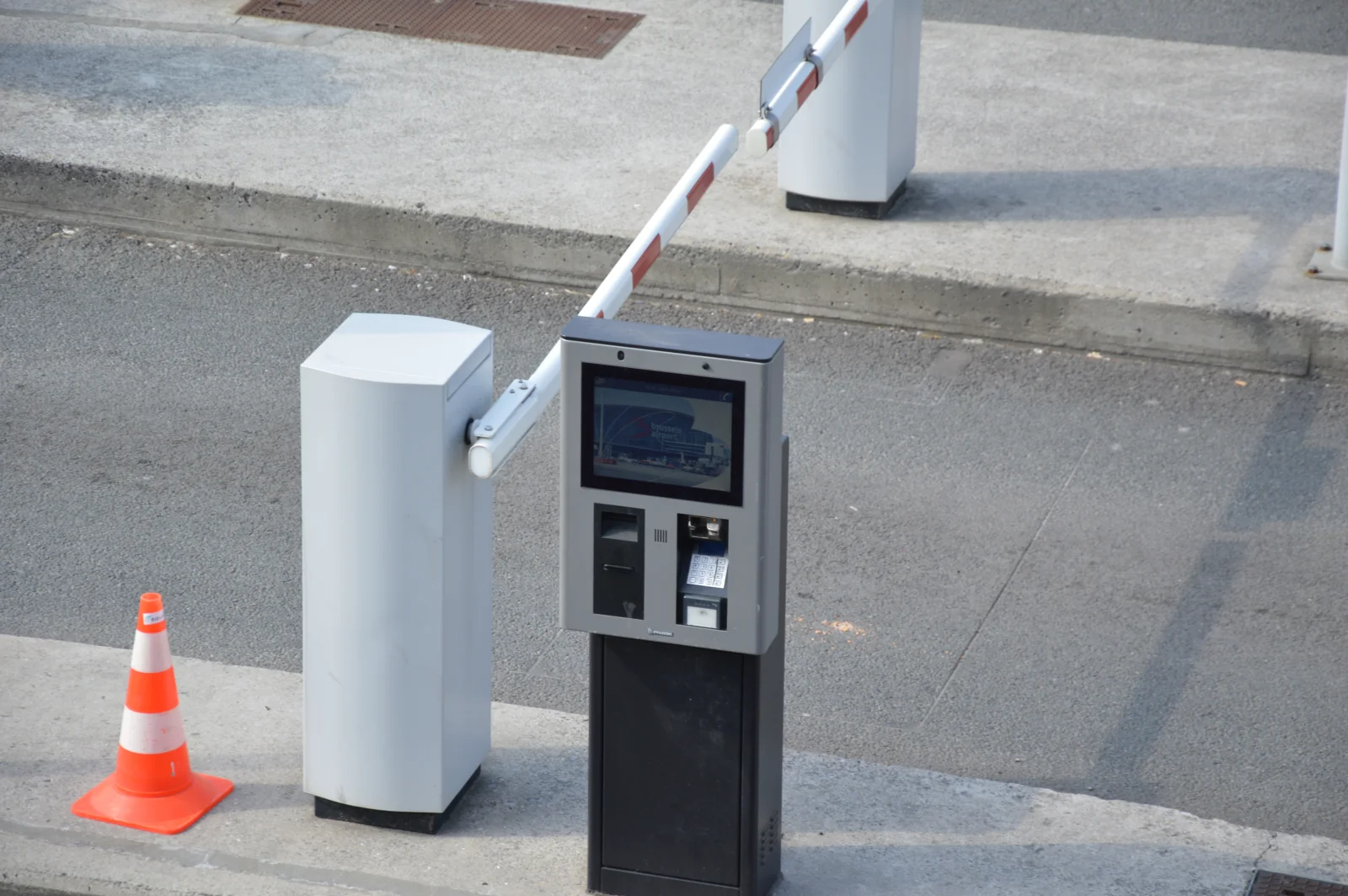
Brussels Airport Company is working with a new innovative parking management system (PMS) at its 5,000 non-public parking lots. Some of the benefits: the barriers can open automatically after cameras scan a license plate, administrators can control everything remotely at the touch of a button, and billing is also automatic. Because of the size, the many stakeholders and the uniqueness of an airport, it was a unique project, say those involved.
The old system had limited capabilities, explains Rob Werkhoven. He is a consultant at parking consulting firm Empaction and oversaw the procurement of a new system. “It was essentially an access system, not a parking system. Cars could enter and exit, but the system didn’t track how long someone stayed. That makes it impossible to differentiate rates and terms.” That’s important, he emphasizes. Brussels Airport Company, the airport operator, had very little insight into who was parking where and for how long.
Confidence
Bart van Hussen, consultant and director of Empaction adds: "When you have 5,000 non-public parking spaces and you have 1,000 companies using them every day, it's very desirable to have a good, orderly parking management system."
On top of that, Werkhoven responds, it involves about 25 parking lots spread over a very large geographical area. "A lot happens remotely, so you also have to be able to rely on your technology."
Brussels Airport Company wanted a system from which they could get all the information they needed, says project manager Stijn Dewulf. "Very important was that such a system would allow us to respond much more to the questions, needs and schedules of our customers. It had to make us much more flexible. And we wanted 'a state of the art system,' the latest available."
Logical
Which functionalities or requirements the system should have, Brussels Airport Company had not defined beforehand. That's why it called in consulting firm Empaction. "Our first question was: help us think of what we should ask ourselves," says Dewulf. "That may sound crazy, but we knew we were with an outdated system, but we didn't know: what can be done and what should we think about before we look for suppliers?"
"The most important thing according to him is that first you all think carefully about what you actually aim to achieve, and why."
Van Hussen sees this more often with companies that come knocking on his door, which he thinks is quite logical. "Not all parties have this in focus. This is not always possible, because the state of the art technology, as with PMS, is quite complex: there are so many possibilities. And for parties who are not involved in this every day, it is very difficult to know exactly what is available."
Good thinking
The most important thing, according to him, is that you all first carefully consider what you are actually aiming to achieve, and why, who your target groups are - both internal and external - which stakeholders need to be involved, and what the opportunities and risks are. A tour of suppliers, parking garages and control rooms can also help, he says. So this is what they all did.
Van Hussen: "Before we published the program of requirements and the accompanying tender documents, we held a market consultation. The purpose of this was to provide insight into the capabilities of suppliers and how various things work in practice. We also visited several parking garages and control rooms. In short, we gave Brussels Airport insight into what is possible today."
State of the art
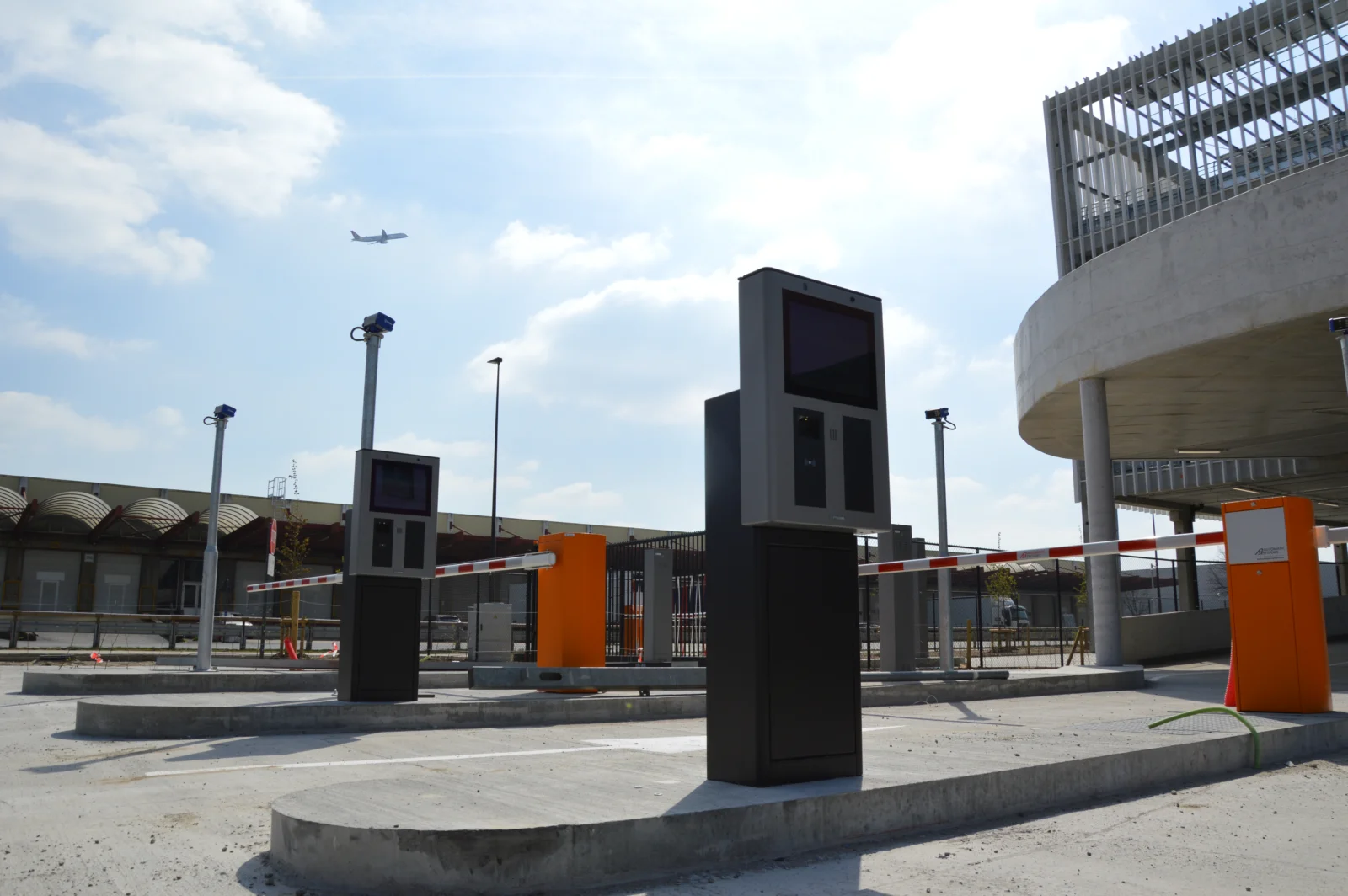
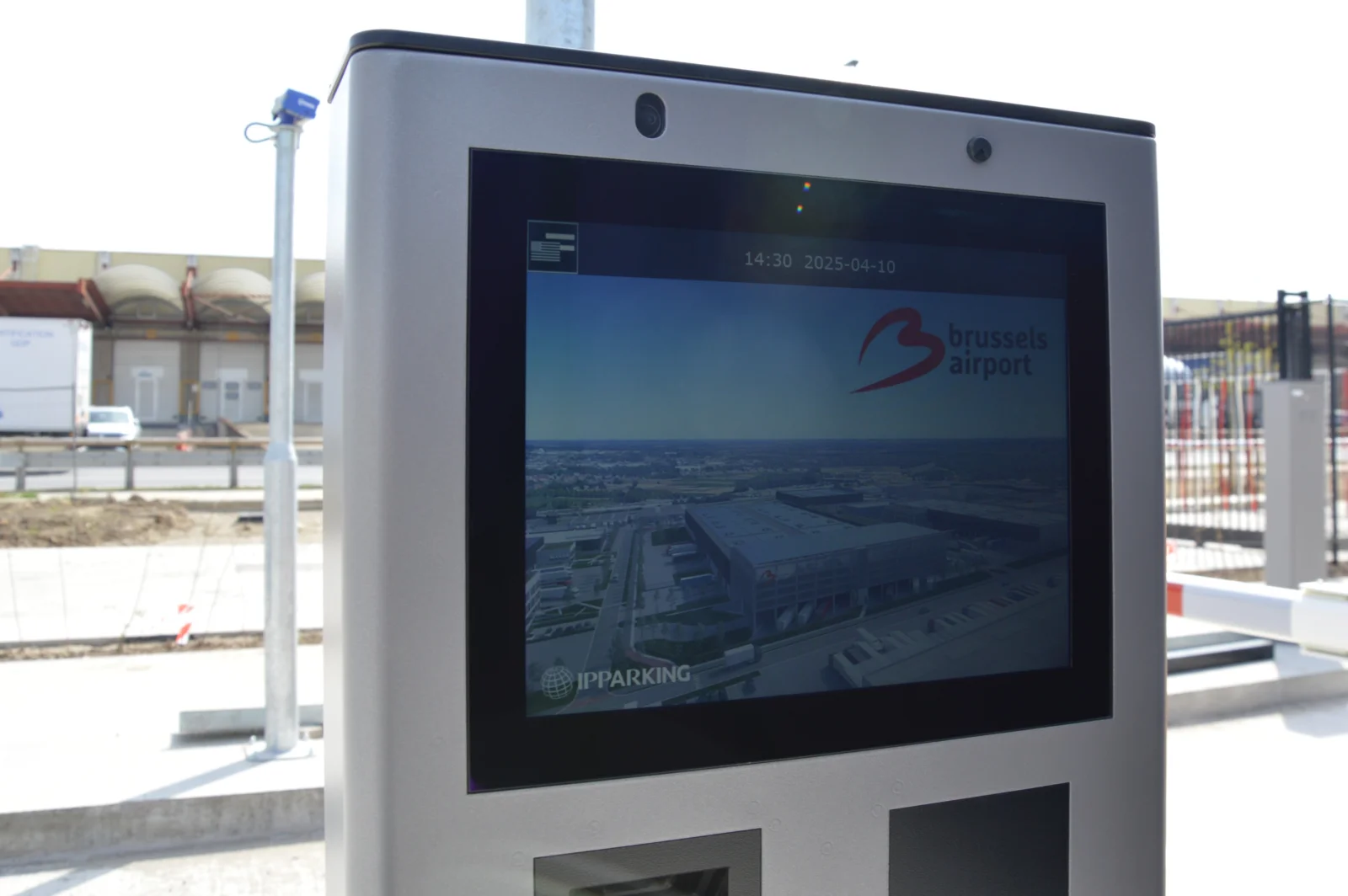
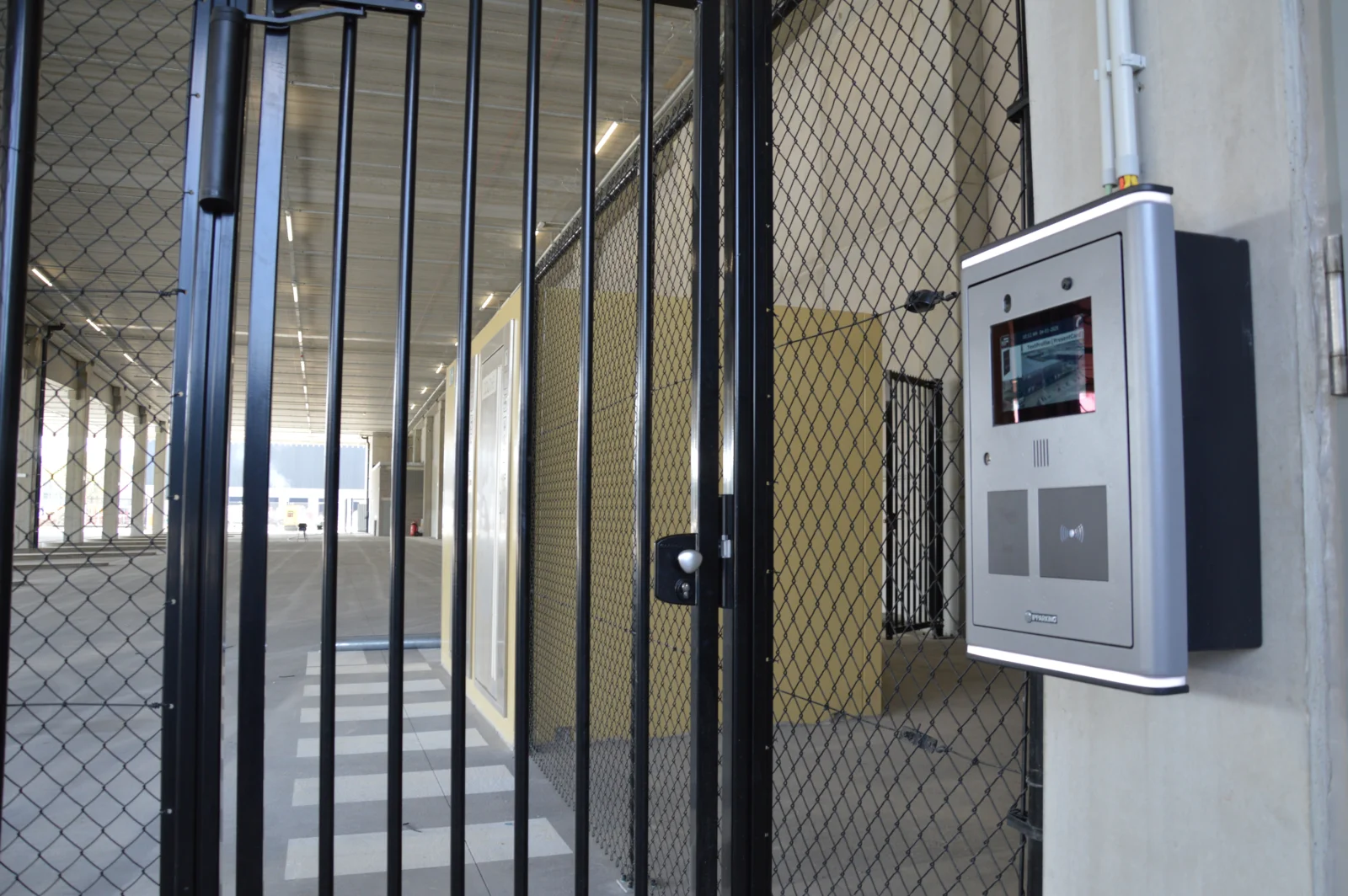
The system is now in place. Just about everything is connected, adjusted and set. It is, indeed, state-of-the-art. The pillars at the parking lots have a video link and an intercom.
"Also, the entire control room has been redesigned. Administrators can control everything remotely at the touch of a button."
The entire system is connected to a subscription database containing employee data from more than a thousand different companies. This allows the barriers to open automatically after a known license plate is scanned. The system can write off charges to the appropriate company and can automatically send invoices. The entire control room has also been redesigned. Administrators can control everything remotely at the touch of a button.
The new system also allows Brussels Airport Company to deal very flexibly with supply and demand. By scrutinizing all rights and rates, all tools are available to manage mobility. In view of various medium-term developments around the airport, this is "an important step."
Complexity
"The crux lies in the complexity of the project," says Werkhoven. "You tie so many parking lots together on a PMS, you connect that back to central computers and then you also have things like license plate cameras."
The complexity also has to do with the uniqueness and size of the airport, says Dewulf. "For example, we have some 18,000 season ticket holders. And of these, few are from our own company: in fact, we provide a parking service to other companies."
One of the airport's logistics providers, for example, has nearly 100 different hourly schedules."
Putting all season ticket holders in the system comes very close, says Bert Vanhorenbeeck, manager landside services at the airport. "The acquired rights of companies have to be taken into account. On top of that, companies work with many different shifts. One of the logistics service providers at the airport, for example, has almost 100 different hourly schedules."
Closely related: it takes quite a bit of puzzling to make sure that everyone has a parking spot at the right time. "The 18,000 season ticket holders are entitled to about 5,000 spaces, spread over more than 25 car parks. Among them are car parks with 20 spaces, but also of 1,100. So that requires good management."
Prototypes and cases
To make a good choice, the supplier was extensively tested in the tender process, Van Hussen says. "This is not an everyday project. So you want the supplier you finally appoint as the winner to be really good. So the supplier we chose had to demonstrate through case studies and prototypes that they could actually meet our demand."
This way of working has pleased Dewulf. "On the one hand, it pushed the suppliers who were in the running to put in the time and effort. But on the other hand, it saved both us and the winner a lot of time in implementation. For example, the system worked exactly as it was on paper."
Automatic
The first experiences with the new system are positive, says Vanhorenbeeck. "The biggest advantage for the season ticket holder is that he can now drive in and out freely. He/she no longer needs a badge or to press all kinds of buttons. Visitors can be pre-registered based on their license plate number, and then the barrier also opens automatically for them after scanning."
The organization also benefits greatly from the new system. "The whole billing system is automated," says Werkhoven. "And they have a whole new control room environment. Everything that happens remotely, they can see, hear and they can anticipate it."
"Now there is one PMS that allows you to see and control all the functionalities you need."
The gains are great, Van Hussen states. "Before, Brussels Airport had three different systems: a subscription system, an invoicing system and, a system in which breakdowns were tracked. Now there is one PMS with which you can view and operate all the functionalities that are needed. That's really a big gain in time and efficiency, but also in preventing errors."